
How to Deliver the Right Light, at the Right Intensity, for the Right Results
Autoflower cannabis is genetically programmed to grow fast and flower automatically. That speed is its advantage—but it also means lighting mistakes compound quickly. The goal isn’t maximum light at all times. It’s consistent, controlled intensity delivered evenly across the canopy.
This guide explains the lighting fundamentals that matter most—and how HelioGrow™ LEDs are designed to support them.
1. Autoflowers Respond to Light Intensity, Not Light Schedules
Unlike photoperiod plants, autoflowers do not rely on changes in day length to initiate flowering. Their lifecycle is driven by genetics, not timers.
What this means for lighting:
-
You can run longer light periods (18–20 hours)
-
Intensity (PPFD) matters far more than hours alone
-
Sudden spikes or drops in intensity can stress autos during critical development windows
Key principle:
Autoflowers thrive under stable intensity, not aggressive lighting strategies.
HelioGrow™ fixtures are built around uniform PPFD delivery and precise dimming, so growers can match intensity to plant development instead of guessing.
2. Understanding PPFD (The Metric That Actually Matters)
PPFD (Photosynthetic Photon Flux Density) measures how much usable light reaches your plants at canopy level.
For autoflowers, most successful growers target:
-
Seedling / early veg: ~200–300 PPFD
-
Mid veg: ~350–500 PPFD
-
Flower: ~450–700 PPFD
Pushing autos well beyond this range often leads to:
-
Light stress
-
Reduced terpene expression
-
Shortened flowering windows
-
Smaller final yields
Why HelioGrow™ helps:
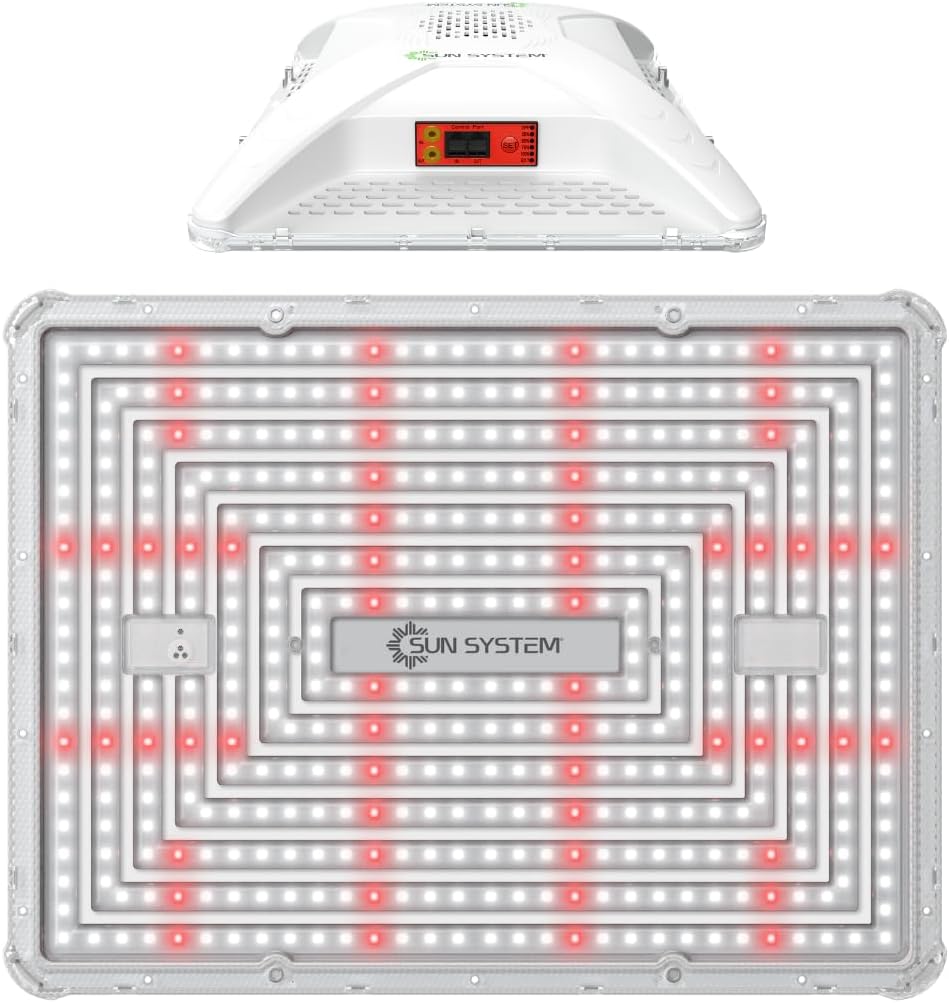
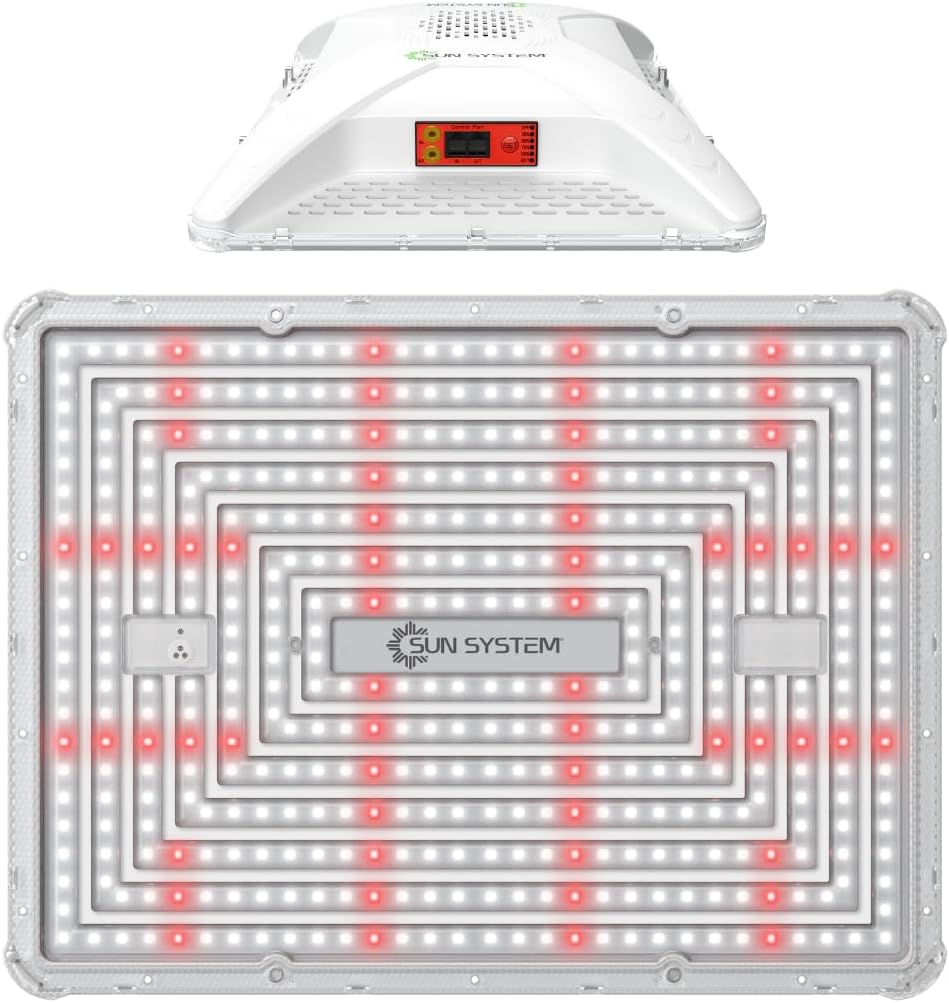
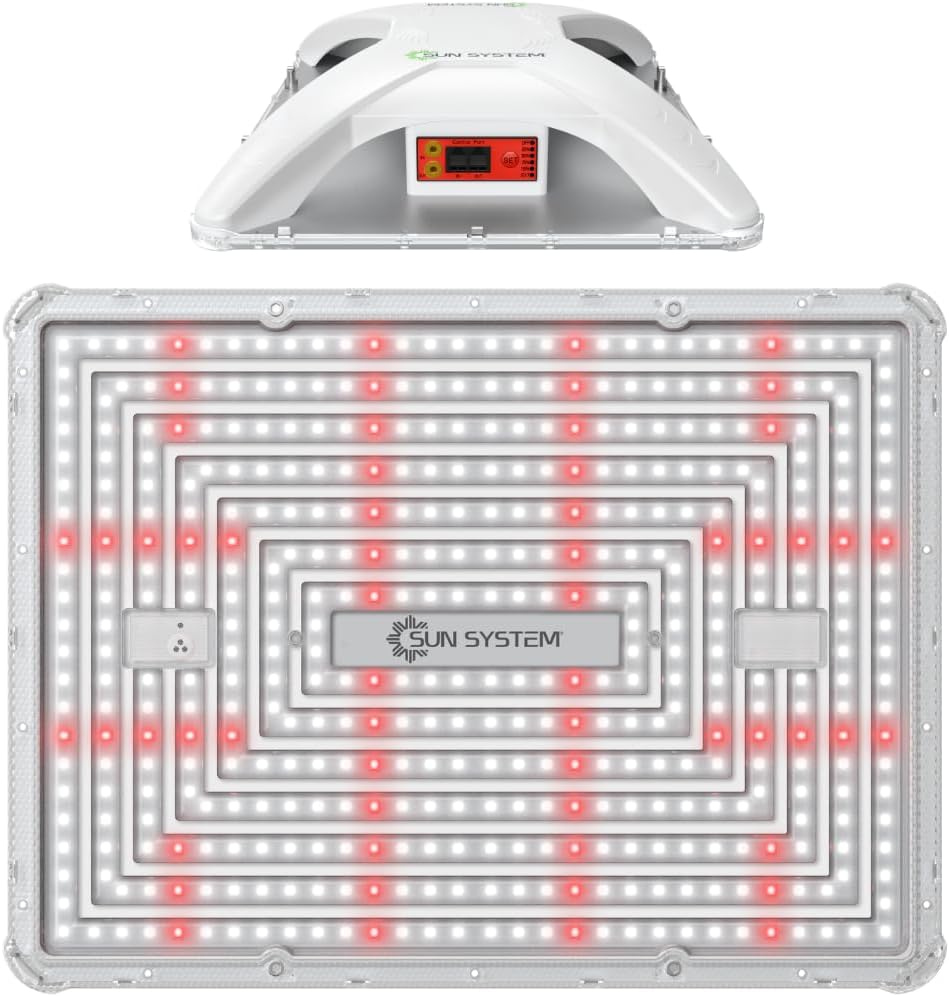
The HelioGrow™ series uses high-density diode layouts and balanced optics to deliver even PPFD across the grow area—reducing hotspots that cause stress while maintaining productive intensity.
3. Full-Spectrum Light Supports the Entire Autoflower Lifecycle
Autoflowers transition rapidly from vegetative growth into flowering. Because of this, spectrum consistency is critical.
A high-quality full spectrum:
-
Supports compact vegetative growth
-
Maintains internodal spacing
-
Encourages strong flower development
-
Reduces the need to change fixtures mid-grow
HelioGrow™ LEDs are engineered with a sun-balanced full spectrum designed to stay consistent from seedling to harvest—so autoflowers never experience abrupt spectral shifts that can slow development.
4. Dimming Is Not Optional—It’s Essential for Autoflowers
Because autoflowers don’t wait for environmental corrections, manual control over light intensity is one of the most powerful tools a grower has.
Proper dimming allows you to:
-
Start seedlings gently
-
Increase intensity gradually
-
Avoid early stress that limits final yield
-
Adapt lighting to canopy height instead of moving fixtures constantly
HelioGrow™ fixtures feature:
-
Four-step onboard dimming
-
Memory-backed brightness settings
-
Consistent output at every dim level
This makes it easy to repeat successful lighting strategies across multiple cycles.
5. Uniform Coverage Beats Raw Power
A common mistake is choosing lighting based solely on wattage. Autoflowers benefit more from even coverage than extreme intensity.
Uneven lighting causes:
-
Uneven plant development
-
Inconsistent flower size
-
Canopy stress at high points
-
Underutilized lower growth
HelioGrow™ LEDs are designed with:
-
Broad, even light distribution
-
High diode density to reduce falloff
-
Coverage optimized for real tent sizes (2×2, 2×4, 3×3, 4×4)
The result is a canopy that develops evenly—critical for autos with limited recovery time.
6. Consistency Is the Hidden Yield Multiplier
Autoflowers reward growers who maintain:
-
Stable intensity
-
Predictable spectrum
-
Minimal daily adjustments
HelioGrow™’s built-in memory function ensures your fixture returns to its last brightness setting after power interruptions—preventing unintended stress events that autos can’t recover from.
The takeaway:
Autoflowers don’t need perfect conditions.
They need consistent ones.
Summary: Autoflower Lighting Done Right
Successful autoflower lighting comes down to five fundamentals:
-
Intensity over schedules
-
Target PPFD, not maximum output
-
Consistent full-spectrum light
-
Controlled, gradual intensity changes
-
Uniform canopy coverage
The HelioGrow™ LED platform was engineered specifically around these principles—bringing commercial-grade lighting discipline into a simple, repeatable system for home growers.