
How Autoflowers Differ From Photoperiod Plants — and Why Nutrition Matters More

Autoflower cannabis has changed how home growers approach cultivation. Faster timelines, compact growth, and simplified light schedules make autoflowers appealing—but those same traits also demand a different approach to nutrients.
If you feed autoflowers the same way you feed traditional photoperiod plants, you’re likely to run into issues like nutrient burn, stalled growth, or underdeveloped flowers. This guide breaks down why autoflowers are different and how to feed them successfully from seed to harvest.
What Makes Autoflowers Different?
Autoflowers are genetically programmed to transition from vegetative growth to flowering based on age, not light schedule. Most autoflowers complete their entire life cycle in 9–12 weeks.
That single fact changes everything about how nutrients should be applied.
Key Differences at a Glance
| Autoflowers | Photoperiod Cannabis |
|---|---|
| Fixed life cycle | Flexible veg/flower timing |
| Faster growth | Slower, adjustable growth |
| Less recovery time | Can recover from mistakes |
| Smaller root systems | Larger, more forgiving roots |
Because autoflowers don’t wait for perfect conditions, nutrient mistakes compound quickly.
The Core Principle: Feed Light, Feed Precisely
One of the biggest misconceptions is that autoflowers need more nutrients to grow fast. In reality, they usually need less.
Autoflowers:
-
Absorb nutrients efficiently
-
Have smaller root zones
-
React quickly to excess salts
Best practice:
Start feeding at ¼–½ strength compared to typical photoperiod schedules.
Healthy autoflowers should look vibrant and balanced—not dark green or overly lush.
Nutrient Timing Matters More With Autoflowers
Because autoflowers move quickly between stages, timing nutrient ratios correctly is more important than chasing high EC numbers.
Early Growth (Weeks 1–3)
-
Focus: root development and early structure
-
Nutrient approach:
-
Low EC
-
Gentle nitrogen support
-
Avoid heavy feeding
-
At this stage, it’s easy to overfeed. Healthy seedlings should grow steadily, not explosively.
Rapid Vegetative Growth (Weeks 3–5)
-
Focus: leaf mass and plant structure
-
Nutrient approach:
-
Slightly increased nitrogen
-
Maintain balanced micronutrients
-
Watch for tip burn
-
This is often the fastest growth window. Plants that are stressed here rarely catch up later.
Flower Transition (Weeks 5–7)
-
Focus: bud initiation
-
Nutrient approach:
-
Gradually reduce nitrogen
-
Increase phosphorus and potassium
-
Avoid abrupt changes
-
Autoflowers don’t pause before flowering. Smooth nutrient transitions help avoid shock during this critical phase.
Flowering & Finish (Final Weeks)
-
Focus: flower development and ripening
-
Nutrient approach:
-
Maintain PK support
-
Keep EC stable
-
Avoid heavy late feeding
-
Overfeeding late in the cycle often reduces quality rather than increasing yield.
Why Autoflowers Don’t Tolerate “Fixes”
With photoperiod plants, growers can:
-
Extend veg time
-
Flush aggressively and recover
-
Retrain or reset growth
Autoflowers don’t offer that flexibility. Once stress occurs, the clock keeps ticking.
That’s why consistency beats correction:
-
Stable feeding
-
Gradual adjustments
-
Conservative increases
pH: The Silent Factor in Autoflower Nutrition
Even perfectly mixed nutrients won’t help if pH is off.
Typical target ranges:
-
Soil: ~6.0–7.0
-
Soilless / coco: ~5.8–6.3
pH drift can cause nutrient lockout that looks like deficiencies—even when nutrients are present. Autoflowers show these symptoms quickly and often more severely.
Micronutrients Matter (But Don’t Overdo Them)
Autoflowers rely on small amounts of secondary and micronutrients for:
-
Chlorophyll production
-
Enzyme function
-
Structural strength
Calcium, magnesium, iron, and trace elements should be present—but excess supplementation often causes more harm than good.
Balanced, complete nutrient lines tend to perform better than aggressive additive stacking for autoflowers.
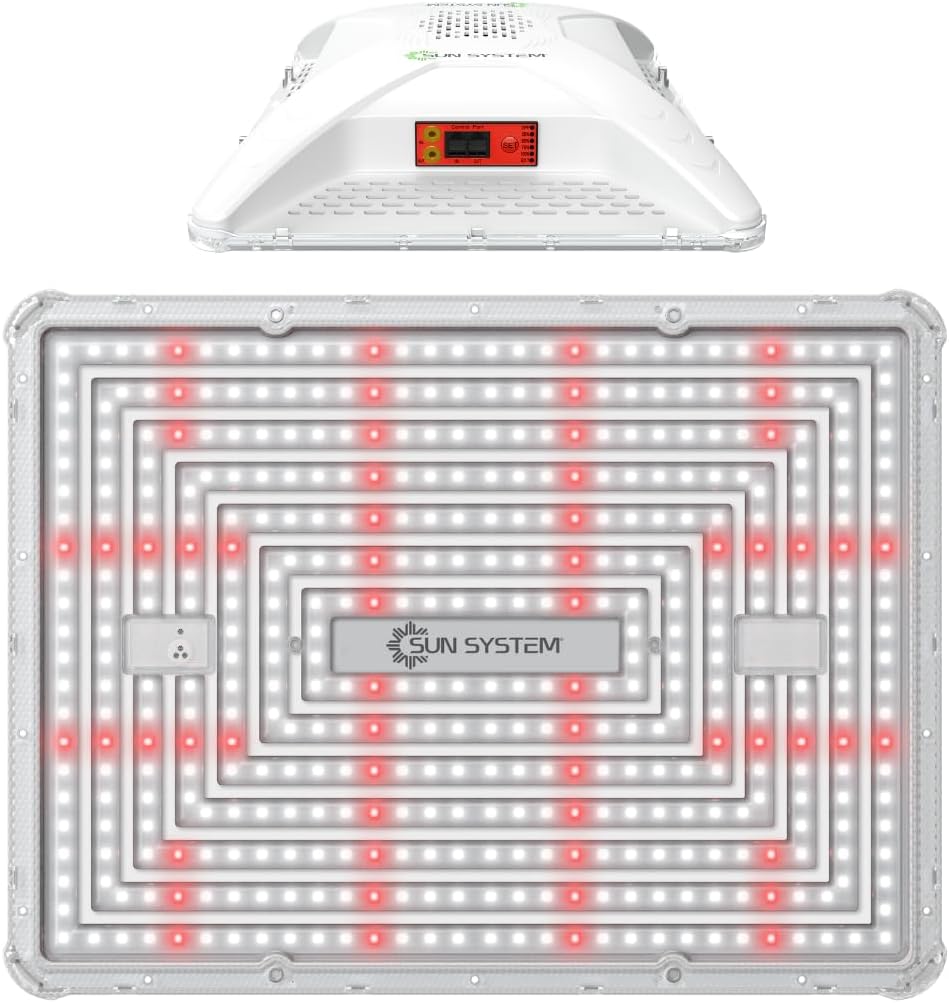
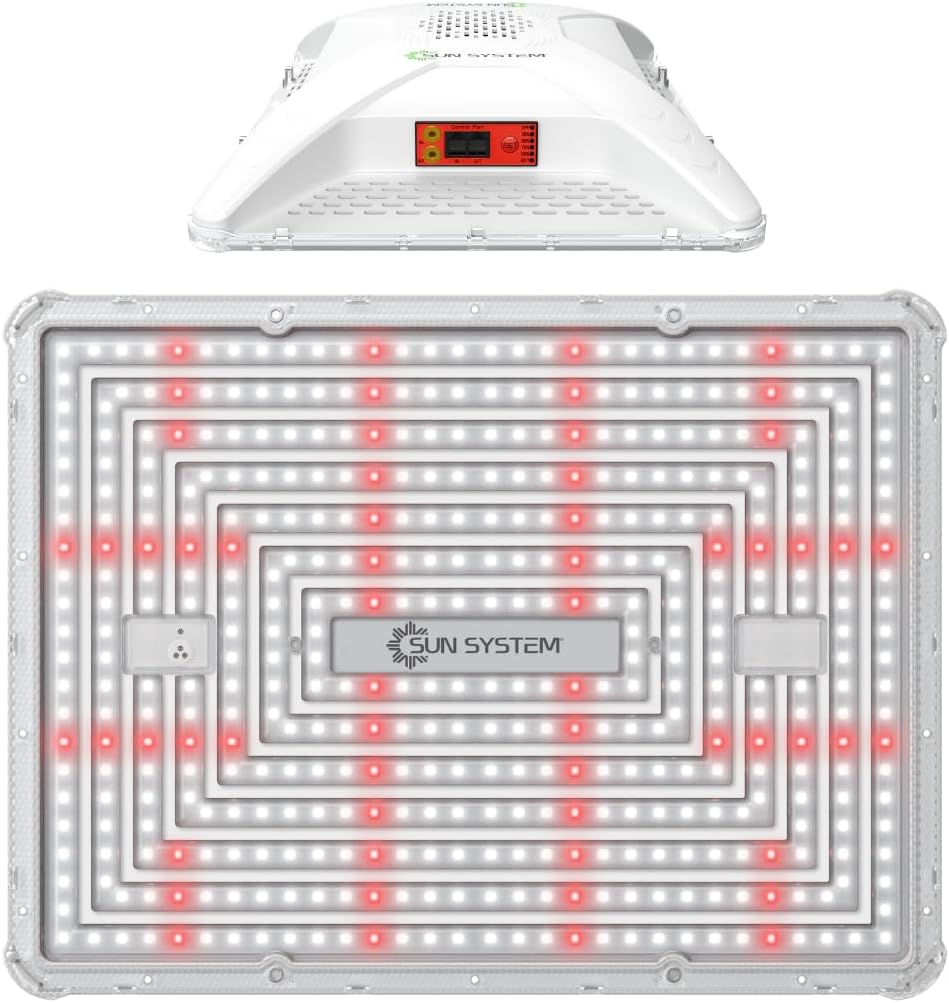
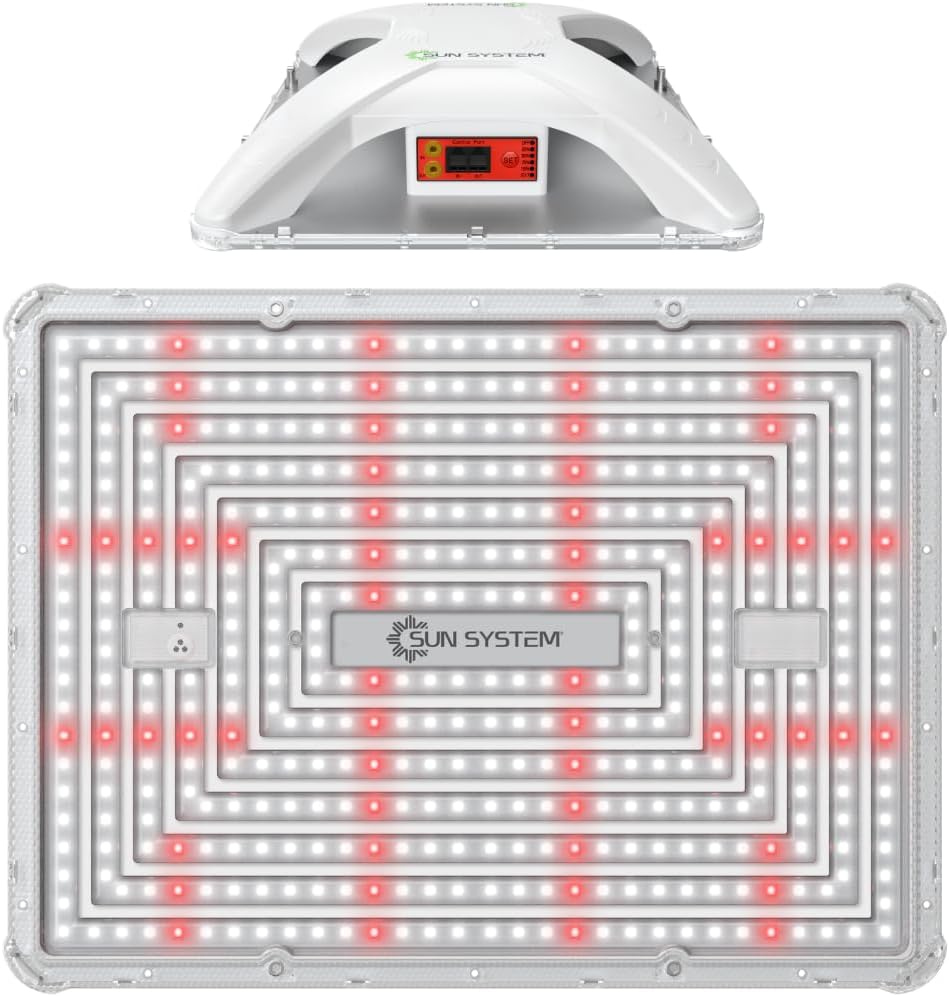
Feeding Autoflowers Under LED Lighting
Modern LED grow lights deliver high efficiency and strong intensity, which affects nutrient uptake.
Under LEDs:
-
Plants may transpire differently
-
Nutrient demand can increase slightly
-
Overfeeding still causes fast burn
The solution isn’t heavier feeding—it’s better balance between light intensity and nutrition. Dialing in lighting first makes nutrient management far easier.
The Takeaway
Feeding autoflowers successfully isn’t about pushing plants harder—it’s about working with their genetics.
Remember:
-
Start lighter than you think
-
Increase gradually
-
Time nutrient shifts carefully
-
Maintain stable pH
-
Avoid overcorrecting
Autoflowers reward growers who prioritize precision and consistency over intensity.