
Consistent Light for Strong Starts—Without Stress
Propagation is where good grows are made—or broken. Whether you’re starting seedlings for an autoflower run or taking clones from a photoperiod mother, early-stage lighting sets the trajectory for everything that follows. Too much intensity causes stress. Too little creates weak, leggy growth. The goal is effective light, delivered with restraint and consistency.
This is where the HelioGrow™ LED excels.
Why Propagation Lighting Is Different
Seedlings and clones don’t need “powerful” light—they need usable light. At this stage, plants are focused on:
-
Root initiation and development
-
Early leaf formation
-
Establishing a stable growth rhythm
Excessive intensity overwhelms young tissue and shallow root systems, while inconsistent output forces plants to adapt when they should be stabilizing.
The ideal propagation light provides:
-
Full-spectrum output (no spectrum switching)
-
Uniform coverage across trays or domes
-
Controlled intensity that can be adjusted as plants mature
Why the HelioGrow™ LED Works for Propagation
HelioGrow is often discussed in the context of flowering autoflowers—but its controlled output and uniform coverage make it equally effective for propagation.
Key advantages for seedlings and clones:
-
Dimmable intensity lets you start low and increase gradually
-
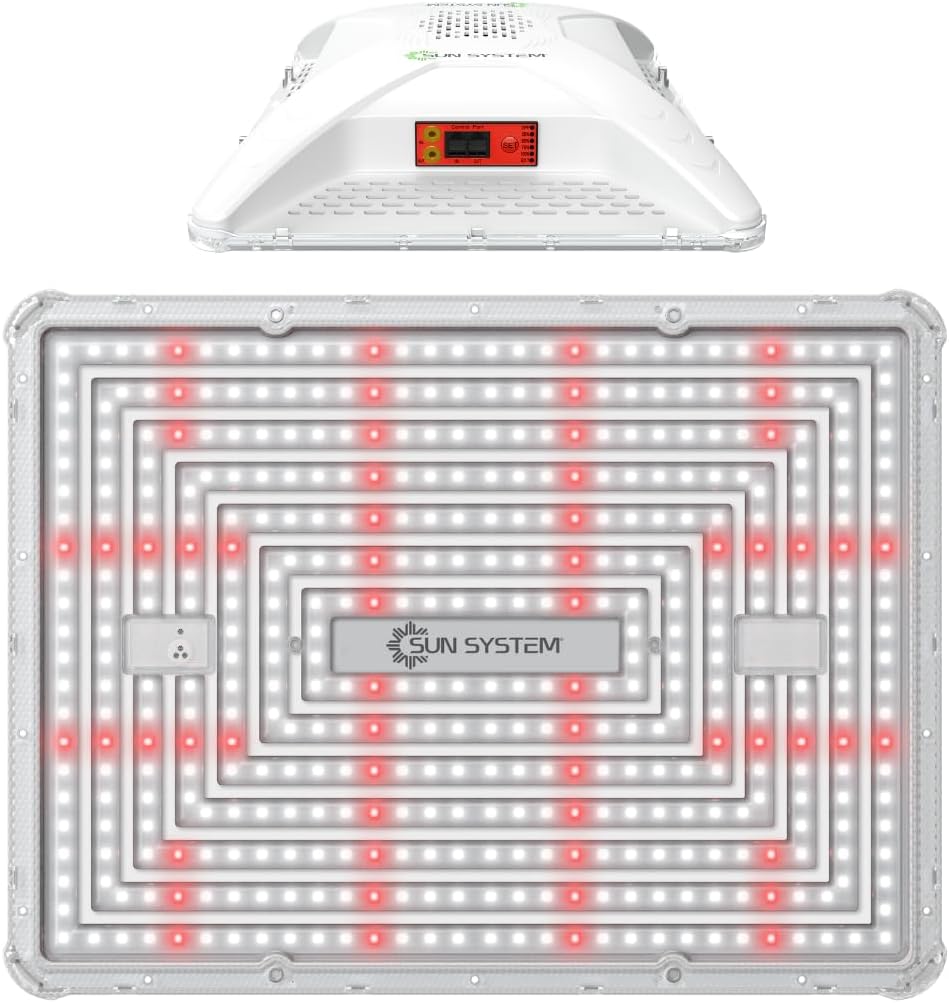
High diode density spreads light evenly, reducing hotspots
-
Full-spectrum output supports both root and leaf development
-
Reliable output eliminates fluctuations that cause stress
This makes HelioGrow ideal for propagation trays, clone domes, shelves, and small tents.
Starting Autoflower Seedlings Under HelioGrow
Autoflower seedlings move quickly. Even in the earliest stages, they’re already on a fixed timeline—so avoiding stress is critical.
Best Practices
-
Start with low to moderate intensity
-
Position the light higher than you would for mature plants
-
Focus on uniform coverage, not brightness
-
Avoid rapid increases in intensity during the first two weeks
Healthy autoflower seedlings should appear compact, upright, and evenly colored—never stretched or curled away from the light.
As true leaves develop, intensity can be increased gradually, matching light output to root development rather than plant height alone.
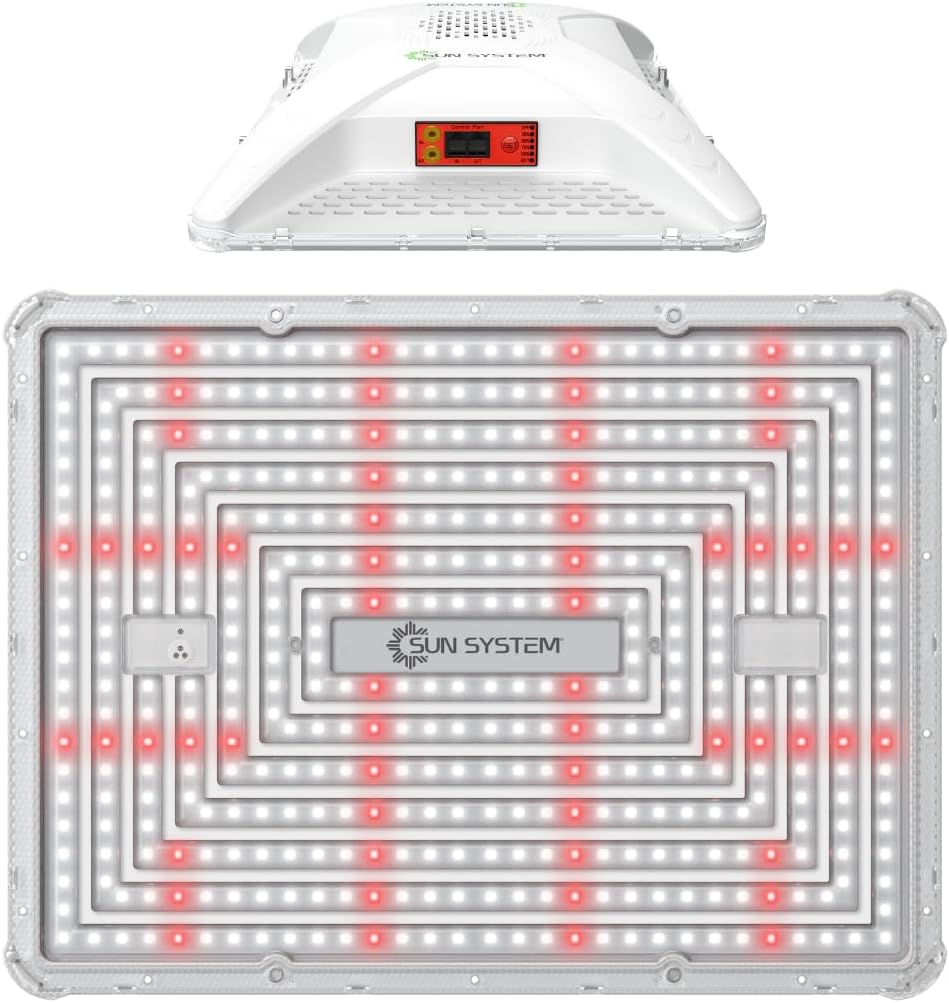
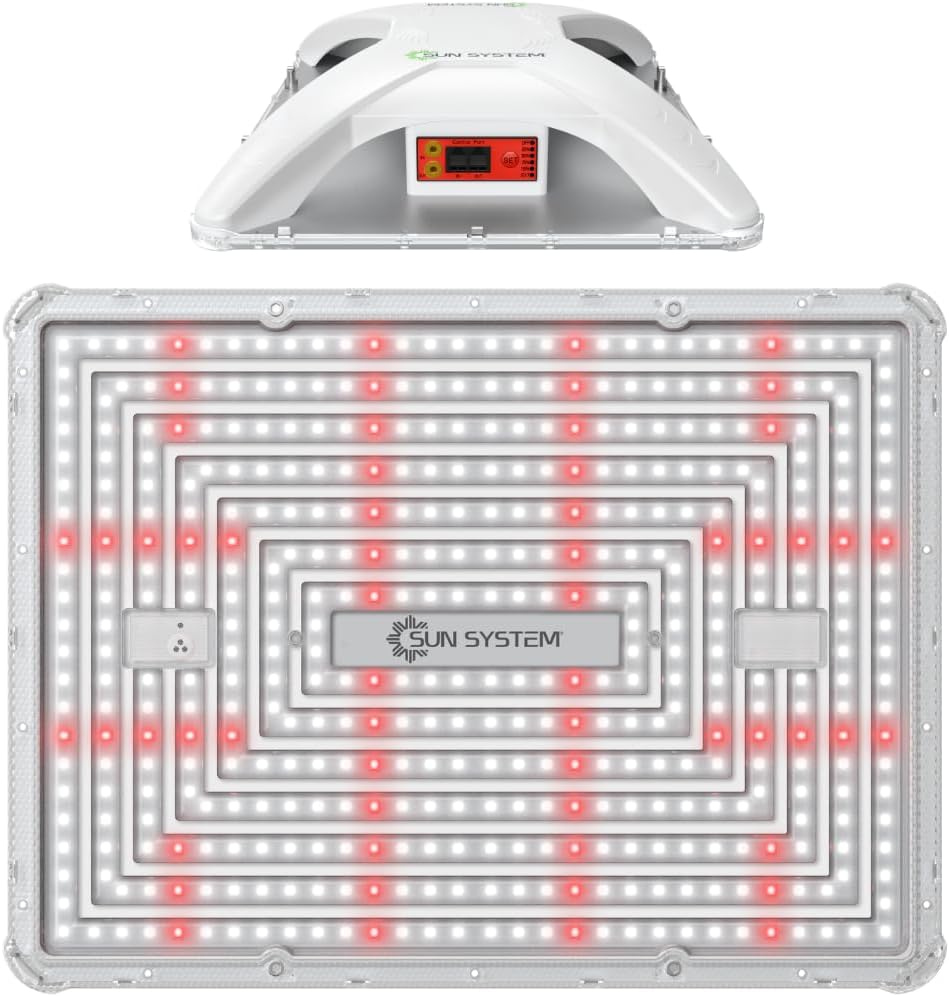
HelioGrow 100W LED - Great for Seedlings
Using HelioGrow for Clones
Clones have different needs than seedlings. They lack roots at first, which means their ability to manage light-driven transpiration is limited.
Under HelioGrow:
-
Keep intensity lower during root initiation
-
Maintain stable output—no daily adjustments
-
Use even coverage across the entire tray or dome
Once roots establish, clones respond well to a gentle increase in intensity, encouraging strong vegetative growth without shock.
One Light, Multiple Propagation Setups
Depending on wattage, HelioGrow can support:
-
Seedling trays for autoflower runs
-
Clone domes for photoperiod mothers
-
Mixed propagation shelves with multiple plant types
The key is adjusting intensity, not swapping fixtures. This versatility allows growers to standardize their propagation lighting while adapting output to each scenario.
Common Propagation Mistakes (and How HelioGrow Helps Avoid Them)
Too much light, too early
→ Use HelioGrow’s dimming to start conservatively.
Uneven coverage across trays
→ High diode density helps prevent hot spots and edge falloff.
Constant tweaking
→ Stable output and memory function allow you to set it once and focus on plant health.
The Takeaway
Successful propagation isn’t about pushing plants—it’s about creating a calm, consistent environment where roots and structure can develop without interruption.
With controlled intensity, full-spectrum output, and uniform coverage, the HelioGrow™ LED provides the kind of stable light seedlings and clones need to start strong—setting up healthier, more predictable growth later in the cycle.