
A Clear, Practical Foundation for Fast, Consistent Results
Autoflower cannabis makes indoor growing more accessible—but it also removes your margin for error. These plants move quickly, transition automatically, and don’t pause to recover from stress. Understanding the basics from day one is the difference between an average run and a repeatable, high-quality harvest.
This guide covers what autoflower cannabis is, how it grows differently, and the foundational practices that matter most.
What Is Autoflower Cannabis?
Autoflower cannabis is a type of cannabis that flowers automatically based on age, not changes in light schedule. This trait comes from Cannabis ruderalis genetics, which evolved to survive short seasons by flowering early and reliably.
What makes autoflowers different:
-
They flower on a fixed internal timeline
-
They don’t require 12/12 light cycles
-
They grow faster from seed to harvest
-
They are more sensitive to stress early on
For indoor growers, this means simpler light scheduling—but also greater importance on consistency.
The Autoflower Lifecycle (At a Glance)

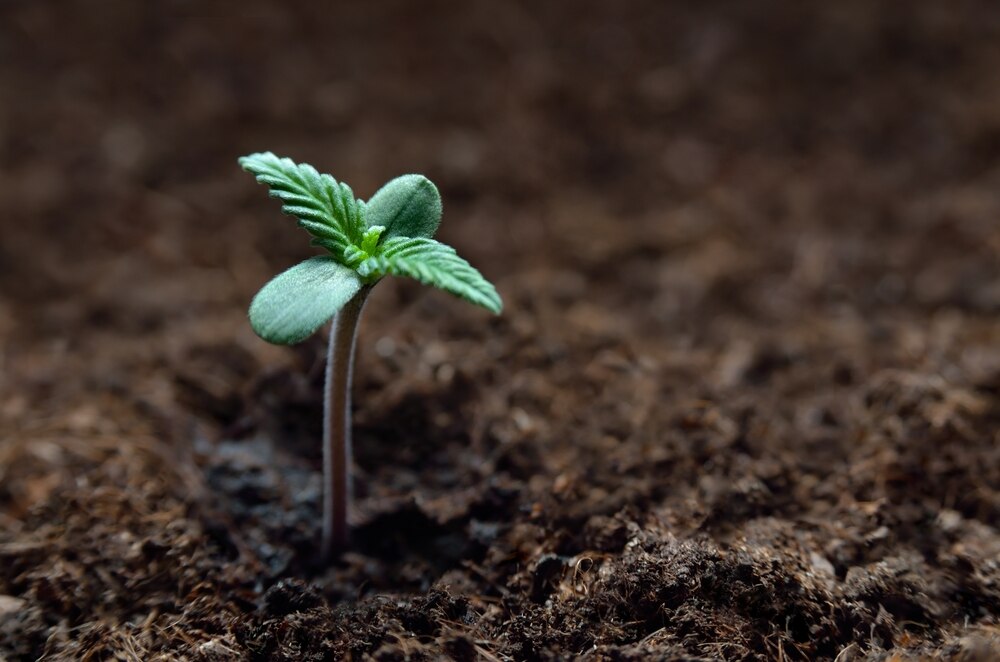
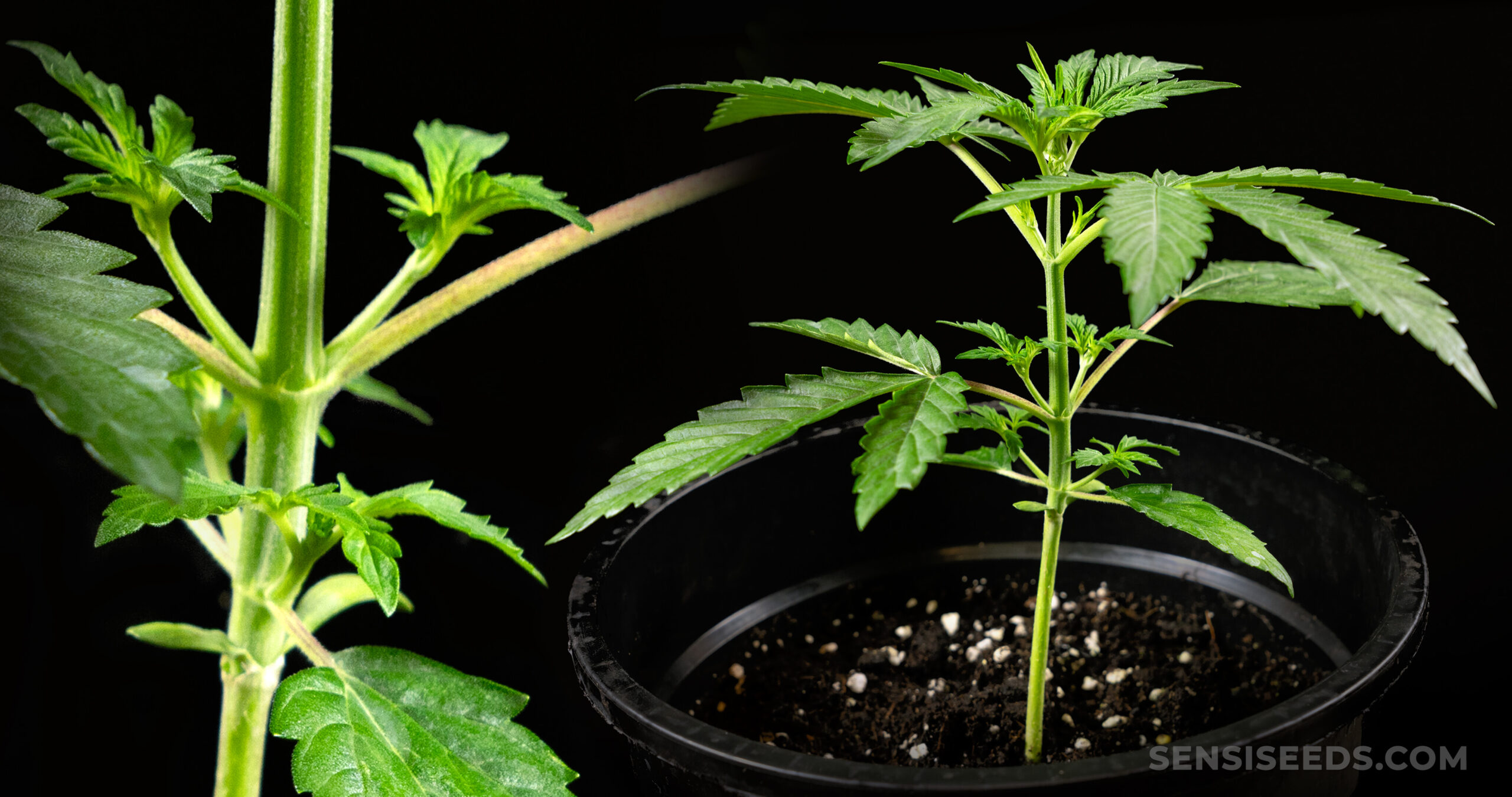
Autoflowers move through their lifecycle quickly, typically in 9–12 weeks:
-
Seedling (Week 1–2) – Root establishment and early structure
-
Vegetative Growth (Week 2–4) – Rapid leaf and branch development
-
Flowering (Week 4–9+) – Bud formation through ripening
Because these stages overlap, mistakes compound fast. There’s no “veg recovery period” to fix issues later.
Light: The Most Important Variable
Autoflowers respond to light intensity, not light schedules.
Most growers run 18–20 hours of light per day from seed to harvest. What matters more is how much usable light reaches the canopy—measured as PPFD.
General PPFD targets:
-
Seedlings: ~200–300 PPFD
-
Early veg: ~300–450 PPFD
-
Flower: ~450–700 PPFD
Pushing autos too hard too early can permanently limit growth. Stable, even light is the goal—not maximum output.
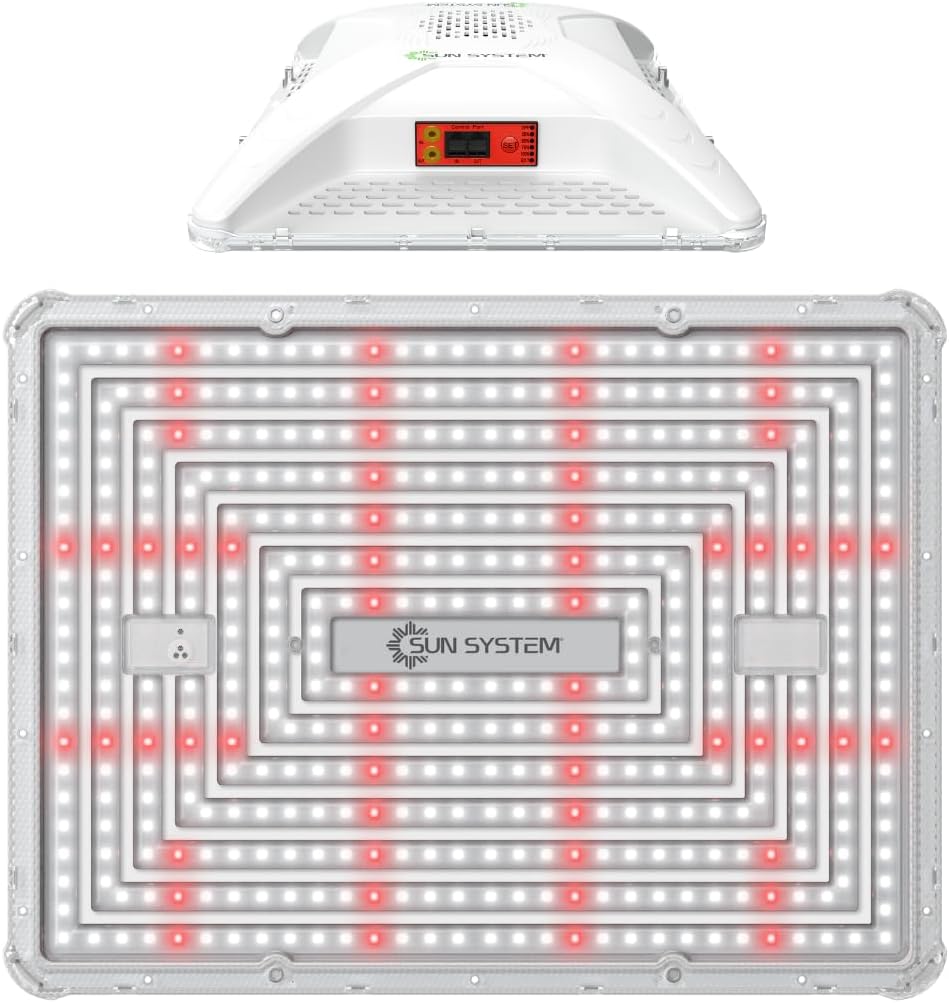
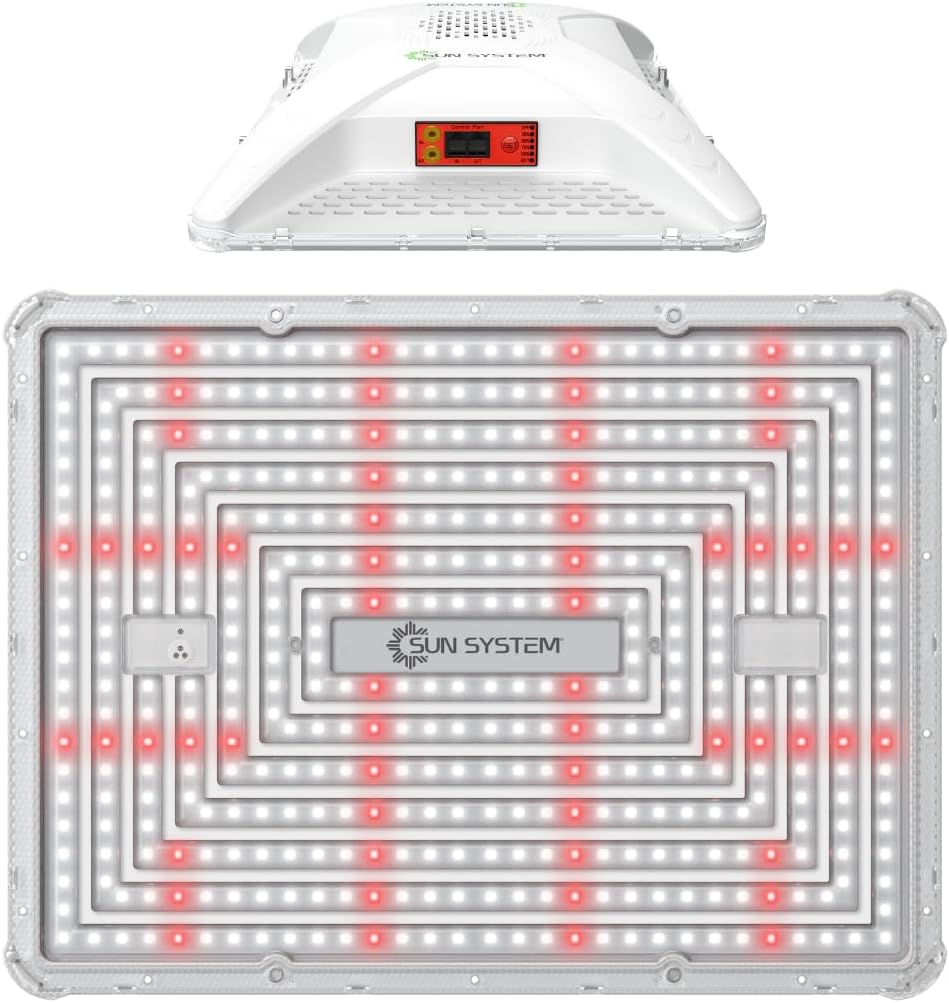
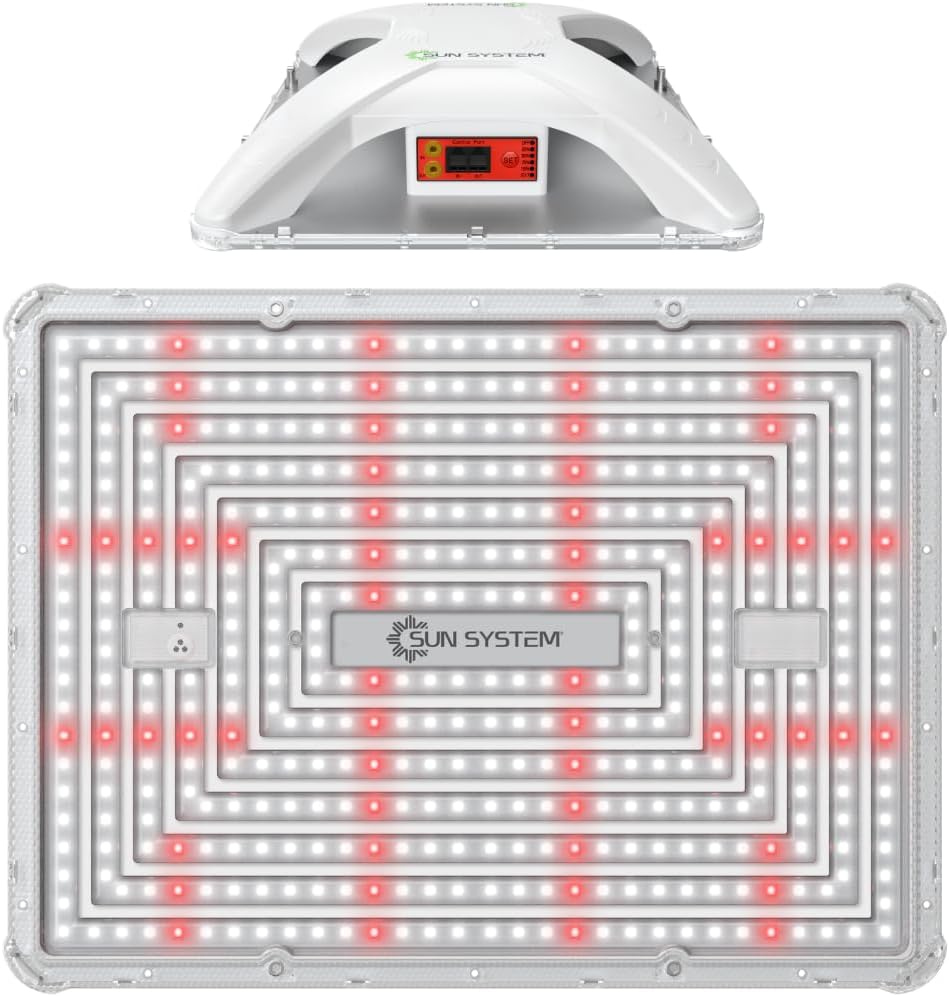
HelioGrow™ fixtures are designed for uniform coverage and controlled dimming, allowing growers to match intensity to plant development instead of guessing.
Environment: Keep It Gentle, Not Perfect
Autoflowers don’t need extreme conditions. They perform best in stable, moderate environments.
Recommended ranges:
-
Temperature: 72–80°F (22–27°C)
-
Humidity:
-
Seedling: 60–70%
-
Veg: 50–60%
-
Flower: 40–50%
-
Large swings in temperature or humidity can slow growth and reduce final yield—especially during early development.
Medium & Containers: Start Where You Finish
Autoflowers dislike transplant stress. The best practice is to plant directly into the final container.
Common choices:
-
Fabric pots (3–5 gallons)
-
Light, well-aerated soil or coco blends
Good drainage and oxygen at the root zone are essential. Overwatering is one of the most common beginner mistakes.
Feeding: Less Is More (Especially Early)
Autoflowers generally require lighter feeding than photoperiod plants.
-
Start with mild nutrient strength
-
Increase gradually as plants show demand
-
Watch leaf color and posture for feedback
Overfeeding early can slow development permanently. Autos don’t have time to recover.
Training: Keep It Minimal
High-stress training (topping, heavy pruning) is risky with autoflowers. Many growers opt for:
-
No training, or
-
Very light low-stress training (LST) early in veg
The goal is gentle canopy shaping—not forcing structure.
Consistency Is the Real Advantage
Autoflowers reward growers who maintain:
-
Stable light intensity
-
Predictable environment
-
Minimal daily adjustments
Features like memory-backed dimming on HelioGrow™ LEDs help maintain consistency even after power interruptions—preventing stress events autos can’t recover from.
The Takeaway
Growing autoflower cannabis successfully isn’t about chasing perfection. It’s about removing volatility.
Focus on:
-
Stable, even lighting
-
Gentle environmental control
-
Light feeding and watering
-
Minimal stress during early growth
When the fundamentals are dialed in, autoflowers do what they’re designed to do—grow fast, flower reliably, and deliver quality results.